


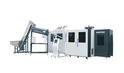
Automatic Blow Molding Machine

Your Premium Automatic Blow Molding Machine Supplier!
Taizhou Dalgakiran Packaging Machinery Co., Ltd. is a high-quality manufacturer with 24 years of production experience, specializing in the production of various PET blow molding machines and blow molds, which can be applied to food packaging bottles, mineral water bottles, juice bottles, etc. The company has its own mold design team and multiple high-precision equipment, and has obtained ISO9001 and CE certification.




Why Choose Us?
Professional Team
Our company has its own mold design team and multiple high-precision equipment.
Product Application
Food packaging bottles, edible oil bottles, soda and mineral water bottles, juice bottles, wine bottles, cosmetic bottles, etc.
Customized Services
Provide OEM services, including materials, materials, surface treatment, etc.
One-stop Solution
The company is a professional manufacturer integrating R&D, design and sales.

What is automatic blow molding machine?
An automatic blow molding machine, also known as an automatic blow molder, is a type of blowing machine that is equipped with advanced automation features to streamline the blow molding process. This machine is designed to automate various stages of production, including material feeding, preform heating, mold closing, parison blowing, and product ejection.
Automatic blow molding machines are widely used in industries that require high-volume production of hollow plastic products, such as bottles, containers, and jars. They offer several advantages over semi-automatic or manual machines, including increased production efficiency, reduced labor requirements, consistent product quality, and improved operational control.
Features of automatic blow molding machine
The features of an automatic blow molding machine can vary depending on the specific model and manufacturer, but here are some common features:
High Level Of Automation
Automatic blow molding machines are designed to automate various stages of production, including material feeding, preform heating, mold closing, parison blowing, and product ejection.
Programmable Logic Controllers
Automatic blow molding machines are equipped with PLCs, which allow operators to program and control various parameters such as temperature, pressure, and cycle times. This ensures precise and consistent production.
Human-Machine Interface
An HMI provides a user-friendly interface for operators to interact with the machine. It displays important information, settings, and alarms, making it easier to monitor and control the production process.
Multiple Cavity Molds
Automatic blow molding machines may have the capability to use multiple cavity molds, which can increase production efficiency by producing multiple products in one cycle.
Quality Control Sensors
Automatic blow molding machines may be equipped with sensors to monitor and ensure product quality. These sensors can detect issues such as wall thickness variations, flash formation, or defects in the finished product.
Automatic Mold Changeover System
Some automatic blow molding machines feature automatic mold changeover systems. This allows for quick and efficient switching between different molds, reducing downtime and increasing production flexibility.
Integrated Conveyor Systems
To create a seamless production line, automatic blow molding machines often have integrated conveyor systems. These systems transport products from one stage to another, such as from the mold to the trimming station or packaging area.
Energy-efficient
Automatic blow molding machines are designed to consume less energy compared to other manufacturing processes, resulting in cost savings and reduced environmental impact.
Customization Options
Many manufacturers offer customization options to tailor automatic blow molding machines to specific requirements, such as integrating additional features or modifying machine dimensions.
Advantages of automatic blow molding machine
There are several advantages of using an automatic blow molding machine for manufacturing plastic products:
1.Higher Production Efficiency: The automation of various stages of production in an automatic blow molding machine increases production speed, reduces cycle times, and improves overall efficiency. An automatic machine can produce a large number of products in a shorter period of time compared to manual or semi-automatic machines.
2.Consistent Product Quality: The precise control over parameters such as temperature, pressure, and timing, ensures consistent product quality. This reduces variations and defects, leading to higher customer satisfaction.
3.Reduced Labor Requirements: Automatic blow molding machines require less manual labor, reducing the need for a large workforce. This can result in cost savings and increased productivity.
4.Cost-effectiveness: Although automatic blow molding machines may have higher upfront costs, their efficiency and productivity often result in long-term cost savings. They minimize material waste, energy consumption, and labor costs.
5.Improved Operational Control: With advanced automation features and control systems, operators have better control over the production process. They can easily monitor and adjust parameters, troubleshoot issues, and make timely adjustments as needed.
6.Versatility: Automatic blow molding machines are versatile and can be used to produce a wide range of hollow plastic products, such as bottles, containers, jars, and more. They can accommodate different sizes, shapes, and materials with minimal adjustments.
7.Lower Environmental Impact: Automatic blow molding machines are designed to consume less energy and produce less waste compared to other manufacturing processes, resulting in reduced environmental impact.
Common types of automatic blow molding machine
There are several common types of automatic blow molding machines used in the industry. These include:
Extrusion Blow Molding Machine
This type of machine is widely used for manufacturing hollow plastic products, such as bottles and containers. It involves the extrusion of molten plastic through a die, which forms a hollow tube called a parison. The parison is then captured in a mold cavity and inflated to take the shape of the mold using compressed air.
Injection Blow Molding Machine
Injection blow molding combines the injection molding and blow molding processes. It starts with the injection of molten plastic into a mold cavity to create a preform. The preform is then transferred to a blow mold, where it is inflated and shaped using compressed air to form the final product.
Stretch Blow Molding Machine
This type of machine is commonly used for producing PET bottles and containers. It involves the stretch orientation of a preform before blowing it into the final shape. The preform is heated, stretched in both axial and radial directions, and then blown into the mold to obtain the desired product shape.
Reheat Blow Molding Machine
Reheat blow molding is used for manufacturing PET bottles and containers. It starts with the injection or injection-stretch blow molding of a preform, which is then reheated in an oven to reach the desired temperature. The reheated preform is transferred to a blow mold, where it is blown into the final shape using compressed air.
Rotary Blow Molding Machine
This type of machine utilizes a rotating platform or carousel that carries multiple molds. The platform moves to different stations, including preform loading, heating, blowing, and ejection, allowing for continuous production and high output rates.
Continuous Extrusion Blow Molding Machine
This machine is used for high-volume production of small to medium-sized bottles. It features a continuous extrusion process where molten plastic is continuously extruded, shaped, and cooled to form the final product.
The working principle of an automatic blow molding machine involves several steps that transform molten plastic into a hollow product. Here is a general overview of the working principle:
1.Material Preparation: The process begins with the preparation of the plastic material. Plastic pellets or granules are fed into a hopper, where they are melted and heated to a precise temperature in an extruder. The molten plastic is then forced through a die, forming a continuous tube known as a parison.
2.Parison Positioning: The parison is captured and positioned between two halves of a mold. The mold consists of two sections, the cavity and the core, which define the shape of the final product. The mold is typically made from durable materials such as aluminum or steel.
3.Clamping And Sealing: The mold halves close around the parison, clamping it securely in place. The mold halves create a sealed cavity that matches the desired shape of the product. The parison is held in position by the clamping force applied by the machine.
4.Blow Molding: Once the mold is closed, compressed air is introduced into the parison through a small opening called a blow pin. The air expands the parison, forcing it against the inner walls of the mold cavity. The heat and pressure cause the molten plastic to conform to the shape of the mold, taking on its final form.
5.Cooling And Solidification: After the parison has been inflated to the desired shape, the mold is cooled to solidify the plastic. Cooling can be achieved through various methods, such as circulating chilled water or using cooling fans. The cooling time depends on the thickness of the product and the properties of the plastic material.
6.Ejection: Once the product has cooled and solidified, the mold opens, and the finished product is ejected from the machine. Ejection mechanisms, such as pins or robotic arms, help remove the product from the mold without damaging it.
7.Cycle Repetition: The machine repeats the above steps continuously to produce multiple products in a continuous and automated manner. The cycle time varies depending on factors such as the size and complexity of the product, the plastic material, and the machine's capabilities.
Material of automatic blow molding machine
Automatic blow molding machines are primarily made from durable and corrosion-resistant materials to withstand the demands of the manufacturing process. The specific materials used can vary depending on the manufacturer and the type of machine. Here are some common materials used in the construction of automatic blow molding machines:
Frame And Structure
The frame and structure of the machine are typically made from robust materials such as stainless steel, carbon steel, or aluminum alloy. These materials provide strength, stability, and resistance to deformation.
01
Mold Components
The molds used in blow molding machines are often made from high-quality metals such as aluminum or steel. These materials offer excellent heat transfer properties and durability to withstand the high temperatures and pressures involved in the blow molding process.
02
Heating Elements
Automatic blow molding machines utilize heating elements, such as heating plates or heating coils, to heat the plastic material for forming. These elements are typically made from materials with high thermal conductivity, such as stainless steel or nickel alloys.
03
Pneumatic And Hydraulic Components
The pneumatic and hydraulic systems in automatic blow molding machines require components that can withstand high pressures and repetitive movements. Common materials used for these components include stainless steel, brass, and high-strength alloys.
04
Control Panels And Interfaces
The control panels and interfaces of automatic blow molding machines often incorporate materials such as plastics or metal alloys. These materials provide durability, protection against environmental factors, and ease of operation.
05
our office


FAQ
Q: What is the principle of blow molding machine?
Q: What is an automatic blow molding machine?
Q: How does an automatic blow molding machine work?
Q: What types of products can be made with an automatic blow molding machine?
Q: What types of plastic materials can be used in an automatic blow molding machine?
Q: What are the advantages of using an automatic blow molding machine?
Q: What are the disadvantages of using an automatic blow molding machine?
Q: How long does it take to produce a product on an automatic blow molding machine?
Q: What factors affect the quality of products produced by an automatic blow molding machine?
Q: How is the quality of products produced by an automatic blow molding machine checked?
Q: What maintenance is required for an automatic blow molding machine?
Q: How can I optimize production efficiency on an automatic blow molding machine?
Q: What safety precautions should be taken when operating an automatic blow molding machine?
Q: How long does it take to install an automatic blow molding machine?
Q: Can an automatic blow molding machine be customized to meet specific production needs?
Q: What training is required to operate an automatic blow molding machine?
Q: What are some common problems that can occur with an automatic blow molding machine?
Q: How can I troubleshoot problems with an automatic blow molding machine?
Q: How can I ensure the longevity of an automatic blow molding machine?
Q: What factors should I consider when choosing an automatic blow molding machine?
We're professional automatic blow molding machine manufacturers and suppliers in China, specialized in providing high quality products. We warmly welcome you to buy or wholesale cheap automatic blow molding machine from our factory. For price consultation, contact us.
fully automatic blow moulding machine, fully automatic pet blowing machine, 4 cavity pet bottle blowing machine